What is the best coating for the NdFeB magnets
Common protective coatings for NdFeB permanent magnets mainly include eight types: zinc plating, nickel plating, Ni-Cu-Ni composite coating, epoxy electrophoretic coating, phosphating, some special coatings are gold plating and silver plating.
- Zinc Plating: It features low cost, uniform coating film and strong adhesion, offering basic rust protection for ordinary dry indoor environments with low corrosion, while its salt spray resistance is average.
- Nickel Plating: It delivers bright and compact surface with outstanding wear and oxidation resistance, good weldability and stable electromagnetic performance, making it the mainstream coating for general applications such as motors and sensors. Double-layer nickel plating provides better anti-corrosion performance than single-layer nickel plating.
- Three-Layer Ni-Cu-Ni Coating: The intermediate copper layer relieves internal coating stress to avoid peeling and flaking, significantly improving resistance to humidity-heat and salt spray. It is suitable for humid environments with mild corrosion and widely adopted in automotive electronics and consumer electronic magnets.
- Epoxy Electrophoretic Coating: As an insulating organic coating, it ranks the highest in anti-corrosion grade, resisting acid, alkali, salt spray, humidity-heat and outdoor aging. It achieves full edge coverage without missing plating on special-shaped magnets, mostly used for wind power and new energy drive motors. Its disadvantage lies in insulation property, which makes it non-conductive and unweldable.
- Phosphating: It only serves as a surface pretreatment underlayer to boost the adhesion of subsequent coatings. It merely provides short-term temporary rust prevention and cannot be used as a standalone finished protective coating.
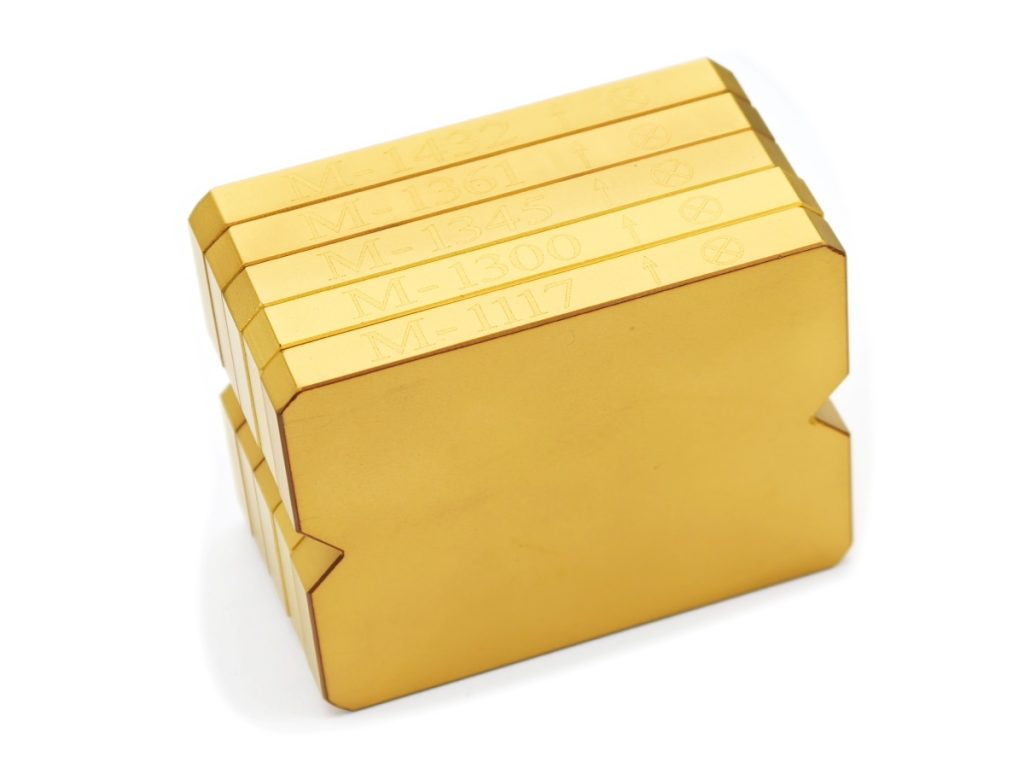
- Gold Plating: It boasts superior electrical and thermal conductivity, zero oxidation and ultra-low contact resistance to ensure stable transmission of precision high-frequency signals, mostly applied in aerospace and high-end micro electronic components, at the cost of extremely high production expenses.
- Silver Plating: Its electrical and thermal conductivity is second only to gold with low high-frequency loss, suitable for RF and microwave magnetic components. The downside is that it tends to be tarnished by sulfidation during long-term service, which requires matched sealing protection treatment.